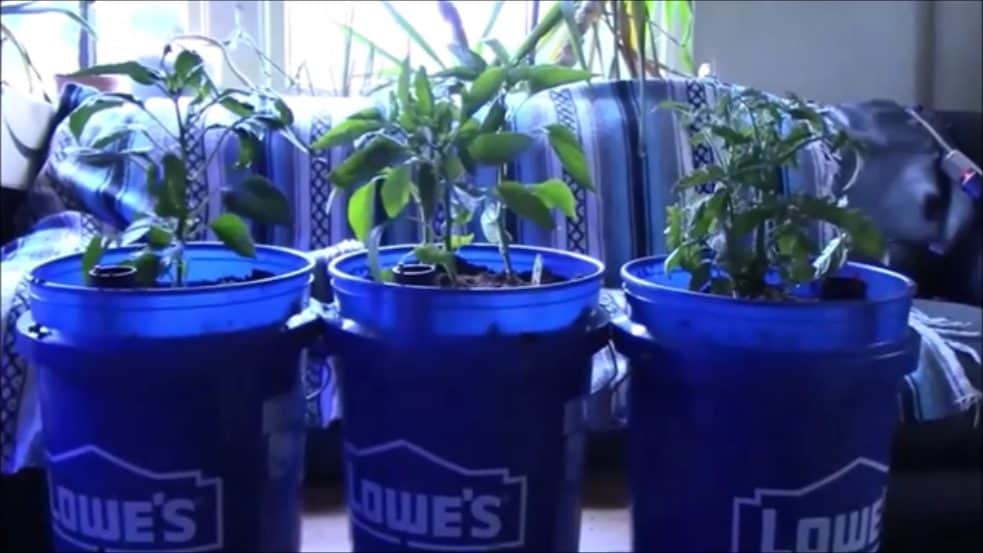
DIY Sub-Irrigated Planter: Easy Guide for Bigger Harvests
Are you tired of daily watering chores, only to find your plants still looking parched? Do you dream of abundant harvests but feel limited by traditional container gardening challenges? Imagine a world where your plants receive a consistent supply of moisture, right where they need it most, without constant oversight. This isn't a gardener's fantasy; it's the reality of the Sub-Irrigated Planter (SIP).
For years, gardeners have struggled with the inefficiencies of top-down watering – water quickly evaporating, uneven distribution, and nutrients leaching away. But there's a better way. Learning how to make a sub irrigated planter can revolutionize your gardening experience, transforming thirsty, struggling plants into lush, productive powerhouses. Whether you have a sprawling backyard, a compact balcony, or even just a sunny windowsill, a DIY SIP offers a cheap, durable, and incredibly effective solution for growing hundreds of pounds of delicious vegetables with less effort and more joy.
What Exactly is a Sub-Irrigated Planter (SIP) and Why Do You Need One?
At its core, a Sub-Irrigated Planter (SIP) is a container gardening system where water is introduced from the bottom, rather than the top. Unlike traditional pots where water drains through, SIPs feature a built-in water reservoir beneath the growing media. Plants then draw water upwards through a process called capillary action – much like a sponge soaking up liquid. This innovative design offers a multitude of advantages that make it a game-changer for gardeners of all levels.
Our journey with SIPs began nearly a decade ago, born out of necessity while gardening on a hot, windy NYC rooftop. Watering became a multi-hour daily chore, battling rapid evaporation that left plants constantly thirsty. Standard container gardening simply couldn't keep up with the demands of such an environment. The introduction of SIPs immediately alleviated these woes. Our evaporation problems vanished, watering frequency plummeted, and the plants thrived like never before, yielding incredible harvests – we're talking about 8-foot tall tomato plants producing pounds of vegetables daily!
While many excellent pre-made SIP solutions are available, they can be quite expensive, especially if you're looking to scale up your production. This led us, and countless other enthusiastic gardeners, to discover the incredible value and satisfaction of building our own DIY versions. Inspired by resources like Earthtainers and Global Buckets, we realized that creating these efficient systems didn't require specialized skills or costly materials, making them accessible to everyone.
The Game-Changing Benefits of DIY Sub-Irrigated Planters
Once you understand how to make a sub irrigated planter, you unlock a wealth of benefits that will redefine your gardening success. These aren't just minor improvements; they're fundamental shifts that lead to healthier plants, bigger harvests, and a much more enjoyable gardening experience.
- Unwavering Moisture Consistency: The most significant advantage of a SIP is its ability to provide a constant, regulated supply of moisture directly to your plants' roots. Capillary action ensures the soil remains evenly moist, preventing the stressful wet-dry cycles common in top-watered containers. This consistent hydration is crucial for strong growth and fruit development.
- Dramatic Water Conservation: With SIPs, water is absorbed from below, significantly reducing evaporation from the soil surface. This means less water is wasted, making SIPs incredibly efficient – a huge benefit in arid climates or areas with water restrictions.
- Reduced Watering Frequency: Say goodbye to daily watering! Depending on your plant's needs and weather conditions, SIPs can often go days, or even weeks, between refills. This frees up your time and makes gardening much less of a chore. If you're tired of constantly watering, Stop Watering Daily: Build Cheap Sub-Irrigated Planters Today with a SIP.
- Healthier, More Productive Plants: Consistent moisture, coupled with less nutrient leaching (as water isn't constantly flushing through), translates directly to more vigorous growth. Plants experience less stress, dedicating more energy to producing abundant fruits and vegetables. Those 8-foot tomato plants we mentioned? A testament to SIP power!
- Minimized Pests and Diseases: By keeping the foliage dry, SIPs help prevent many common fungal diseases that thrive in moist conditions. Additionally, less surface watering can deter certain pests.
- Versatile for Any Space: Whether you're growing on a sun-drenched patio, a windy rooftop, a cozy balcony, or even indoors under grow lights, SIPs adapt beautifully. They are perfect for a wide variety of plants, from thirsty tomatoes and peppers to leafy greens and herbs.
Your Step-by-Step Guide: How to Make a Sub Irrigated Planter
Ready to build your own game-changing SIP? This section details exactly how to make a sub irrigated planter using readily available and affordable materials. While we recommend specific items, feel free to adapt these plans once you understand the core principles. The goal is a durable system that lasts for many seasons, delivering incredible yields.
Recommended Supply List:
- Container: One 27-gallon HDX tote (or similar rugged plastic tote). These are approximately $12 at Home Depot and are incredibly durable. Resist the urge to buy cheaper, thinner plastic totes; they often crack and shatter after just one season in the elements, leading to wasted effort and money. A sturdy container is an investment in longevity.
- PVC Pipe: 24-inch length of 2-inch diameter PVC pipe. This will serve as your water fill tube. You can buy a 10-foot section and cut it into multiple 24-inch pieces if you're making several SIPs, which is more economical.
- Plastic Sheet: A piece of 7mil plastic sheeting, large enough to line the bottom of your tote and create a water reservoir barrier.
- Hand Saw: For cutting PVC pipe if you buy a longer section.
- Drill: With a 1/2-inch to 1-inch drill bit for creating drainage/overflow holes.
- Supporting Material for False Bottom: This can be smaller PVC pipe scraps, sturdy plastic crates, or even inverted plastic containers (like yogurt cups) to create a void for the water reservoir and support the growing medium above it.
Crucial Growing Medium Choice:
The success of your SIP hinges almost entirely on your choice of growing medium. This is the single most important rule: You MUST use a potting mix. Do NOT use garden soil or potting soil.
Why is this so critical? Garden soil is too dense and compacts easily, which will inhibit the capillary action necessary for the SIP to function. Potting soil, while better than garden soil, often contains a higher percentage of topsoil or other heavier components. A high-quality potting mix, like those from Premier, is specifically formulated to be lightweight, porous, and excellent at wicking water while providing good aeration for roots. It typically contains ingredients like peat moss, perlite, vermiculite, and compost, which are perfect for SIPs.
Assembly Instructions:
- Prepare Your Container: Start by drilling overflow holes in the side of your tote. These should be approximately 3-4 inches from the bottom, just below where your false bottom will sit. Drill 2-3 holes around the perimeter to ensure proper drainage and prevent waterlogging. These holes are critical for preventing plant roots from sitting in stagnant water and for maintaining an air gap above the reservoir. You might also drill a few tiny holes on the very bottom as emergency drainage, though the side overflow holes are the primary mechanism.
- Create the Water Reservoir Support: Place your supporting material at the bottom of the tote. This could be a grid made from short PVC sections, a sturdy plastic milk crate cut to fit, or several inverted plastic pots. The goal is to create a sturdy platform that holds the growing medium above the water reservoir, leaving a 3-4 inch gap for water.
- Install the Reservoir Liner and Wicking Mechanism: Drape the 7mil plastic sheet over your support structure, creating a basin that holds the water. Now, you need a way for water to reach the soil. A common method is to cut a hole (or several smaller holes) in the center of your plastic liner. Place an inverted plastic pot (like a sturdy yogurt container or a 4-inch nursery pot) with holes drilled in its base directly over this opening, filling it with your potting mix. This "wicking basket" or column will draw water up from the reservoir.
- Add the Fill Pipe: Cut another hole in the plastic liner, near one corner, just large enough for your 2-inch PVC pipe to fit snugly. Insert the 24-inch PVC pipe through this hole, ensuring it extends down into the water reservoir and stands upright, several inches above the rim of the tote. This is your access point for refilling the water.
- Fill with Growing Medium: Carefully fill the tote with your premium potting mix. As you fill, ensure the potting mix makes good contact with the wicking basket you created in Step 3. This connection is vital for capillary action.
- Incorporate Fertilizer: Mix a slow-release granular vegetable fertilizer (ensure the N-P-K is not excessively high, generally below 10-10-10, to avoid burning plants) into the top 4-6 inches of your potting mix. This provides essential nutrients as the plant grows.
- Plant Your Vegetables: Plant your desired vegetables as you normally would in a container.
- Initial Watering: For the very first watering, water from the top until moisture starts to appear at the overflow holes. This settles the soil and initiates the wicking action. After this, all subsequent watering will be done by pouring water directly down the PVC fill pipe until it reaches the overflow holes.
Maximizing Your SIP Harvests: Tips for Success
Building a SIP is the first step; optimizing its performance will ensure those incredible harvests. Here are some pro tips to help you get the most out of your DIY sub-irrigated planter:
- Fertilization Strategy: SIPs can be very efficient with nutrients. Use a good quality slow-release granular fertilizer mixed into the top layer of soil at planting. For long-season crops like tomatoes, you might consider adding a balanced liquid feed to the water reservoir every few weeks during peak production, or side-dressing with more granular fertilizer halfway through the season. Always follow product instructions carefully.
- Smart Plant Selection: Almost anything can grow in a SIP, but some plants truly thrive. Tomatoes, peppers, cucumbers, squash, eggplants, beans, and most leafy greens (lettuce, spinach, kale) absolutely love the consistent moisture. Root vegetables like carrots or radishes can also do well, provided the soil depth is adequate.
- Monitor Water Levels: While SIPs reduce watering frequency, they don't eliminate it entirely. Periodically check the water level by looking down the fill pipe. During hot weather or peak fruiting, thirsty plants can empty the reservoir quickly. Refill promptly to avoid stressing your plants.
- Seasonal Maintenance: At the end of each growing season, it’s a good practice to empty out the old potting mix (it can be composted or spread in garden beds). Inspect your SIP for any damage, clean the reservoir, and prepare it for a fresh start next spring. Replacing a portion, if not all, of the potting mix annually is advisable to maintain optimal wicking and nutrient levels.
These tips, combined with the fundamental principles of SIPs, will help you unlock the full potential of your container garden. For more insights into how this system can transform your gardening, check out The Sub-Irrigated Planter Game Changer: Grow Plants With Less Effort.
Conclusion
Embarking on the journey of building your own DIY sub-irrigated planter is more than just a garden project; it's an investment in a more efficient, less stressful, and ultimately more rewarding way to grow. By understanding how to make a sub irrigated planter, you gain the power to conserve water, reduce watering chores, and cultivate exceptionally healthy, productive plants, regardless of your gardening space or environmental challenges. From solving the daily watering woes on a windy rooftop to yielding hundreds of pounds of produce, SIPs have proven their worth time and again. So grab your supplies, follow these easy steps, and prepare to witness your biggest, healthiest harvests yet!
